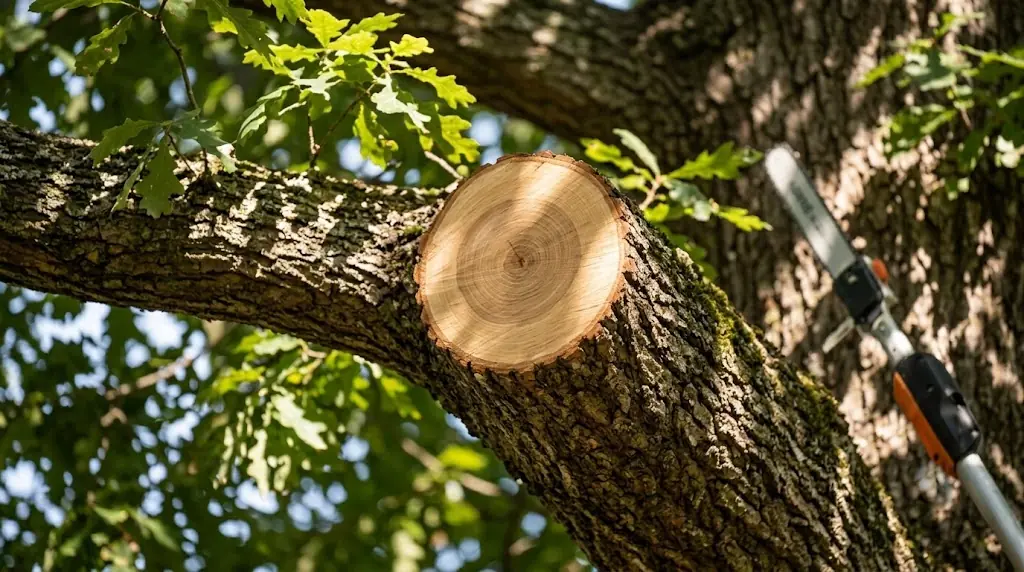
A well-maintained tree does more than look good — it stays healthier, grows stronger, and poses far less risk to your home and family. At Troy Tree Removal, we provide professional tree trimming and pruning services designed to improve the health, safety, and appearance of the trees on your Troy, MI property. From routine seasonal maintenance to corrective pruning for storm-damaged limbs, our trained crews know how to shape and care for trees the right way.
Trimming and pruning are often used interchangeably, but they serve different purposes. Trimming typically focuses on maintaining shape and controlling overgrowth, while pruning targets the removal of dead, diseased, or structurally weak branches to promote long-term tree health. Our team evaluates each tree individually and applies the right technique to help it thrive for years to come.
Why Regular Tree Maintenance Matters in Troy, MI
The tree canopy across Troy, MI includes a wide mix of mature hardwoods, ornamentals, and evergreens, many of which have been growing on the same properties for generations. That kind of maturity brings beauty and shade, but it also means limbs can grow heavy, unbalanced, or diseased over time without anyone noticing until it’s too late.
Michigan’s seasonal swings add another layer of stress. Heavy spring rains, summer storms, and winter ice accumulation all put extra weight and pressure on branches. Trees that haven’t been pruned in several years are far more likely to drop large limbs during a storm, damaging roofs, vehicles, fences, or power lines. Regular trimming reduces that risk significantly by removing weak growth before it becomes a hazard, while also improving airflow and sunlight penetration through the canopy.
Benefits of Professional Tree Trimming & Pruning
- Improved tree health by removing dead, damaged, or diseased branches that drain the tree’s energy and invite pests or fungal infection
- Reduced storm risk by eliminating weak limbs before high winds or heavy snow cause them to break
- Better structural integrity, especially for young trees that benefit from early shaping to prevent problems later in life
- Increased curb appeal, with a well-shaped canopy that enhances your landscaping instead of overwhelming it
- More sunlight and airflow for lawns, gardens, and nearby plantings that may be struggling under dense shade
- Extended tree lifespan, since consistent maintenance helps trees resist disease, pests, and structural failure over the years
Our Trimming & Pruning Techniques
Every property and every tree species has different needs, which is why our arborists tailor their approach to each job rather than applying a one-size-fits-all method. Some of the techniques we use include:
Crown thinning — selectively removing branches throughout the canopy to reduce density, improve light penetration, and ease wind resistance without changing the tree’s overall shape.
Crown raising — removing lower branches to create clearance above driveways, walkways, roofs, or sightlines, which is especially useful for trees near homes or streets.
Crown reduction — carefully reducing the overall height or spread of a tree, often used for trees that have grown too close to power lines or structures.
Deadwooding — removing dead, dying, or hazardous branches that pose a falling risk, even if the rest of the tree remains healthy.
Structural pruning for young trees — shaping trees early in their growth to establish strong branch angles and prevent costly problems as they mature.
Signs Your Trees Need Trimming or Pruning
Many property owners wait too long to schedule tree maintenance simply because they aren’t sure what to look for. Consider scheduling a trim if you notice:
- Branches hanging over your roof, driveway, or power lines
- Dense, overgrown canopies that block sunlight from reaching your lawn or garden
- Dead or broken limbs that haven’t fallen on their own
- Branches rubbing against your house, fence, or another tree
- Visible signs of disease, such as discolored leaves or unusual growths
- A tree that hasn’t been professionally maintained in three or more years
If it’s been a while since your trees were last serviced, our team can perform a full assessment and recommend a maintenance plan tailored to your property.
Seasonal Timing for Troy, MI Trees
While light trimming can be done throughout the year, certain species benefit from pruning during specific seasons. Late winter and early spring, before new growth begins, is often the ideal window for most deciduous trees, as it allows for easier assessment of branch structure and reduces stress on the tree. However, hazardous or storm-damaged limbs should never wait for the “right” season — safety always comes first. Our team can advise you on the best timing for your specific trees based on species, health, and current conditions.
Safety-First Approach
Tree trimming, especially for tall or mature trees, involves real risk when handled without the proper training and equipment. Our crews use professional-grade tools, safety harnesses, and, when necessary, bucket trucks or climbing equipment to safely reach every part of the canopy. We carry full insurance coverage on every job, so you’re protected in the unlikely event of any property damage. You’ll never have to worry about liability or safety when Troy Tree Removal is on the job.
Get a Free Trimming & Pruning Estimate
Healthy, well-maintained trees add value and beauty to your property while reducing your risk of storm damage and costly repairs. Let the team at Troy Tree Removal take the guesswork out of tree care with a professional assessment and customized maintenance plan for your Troy, MI property.
Head over to our Contact page to schedule your free estimate and get started today.